
Alectinib
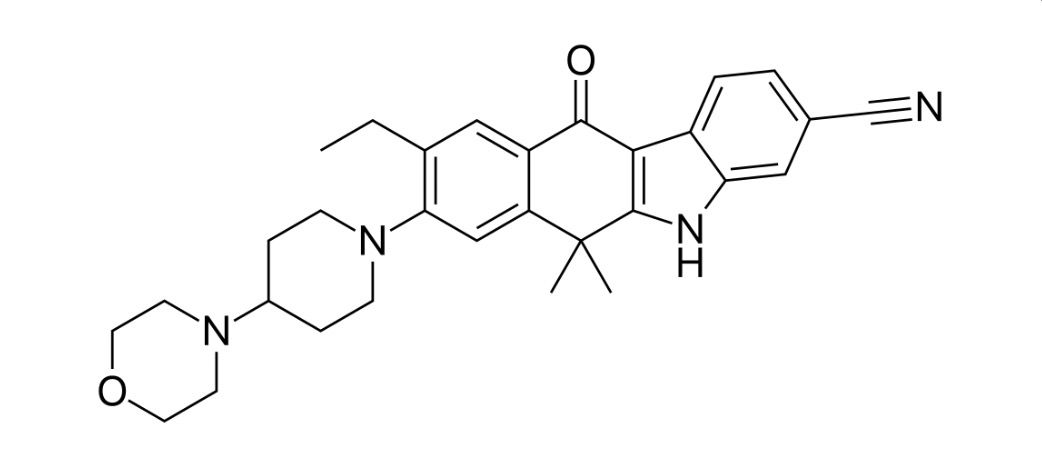
Overview
Alectinib is an orally administered small-molecule tyrosine kinase inhibitor that selectively targets anaplastic lymphoma kinase, a protein that becomes abnormally activated through gene rearrangements in a subset of non-small cell lung cancers. By inhibiting ALK signaling, alectinib disrupts downstream pathways responsible for tumor cell growth, survival, and spread. It is taken as an oral capsule with food and is used exclusively in patients whose tumors are confirmed to be ALK-positive through validated molecular testing. Alectinib is clinically important because of its strong and durable disease control, including activity in the central nervous system, and its role in reducing recurrence risk after surgical resection in eligible patients. Its targeted mechanism allows for effective disease management while avoiding non-specific cytotoxic chemotherapy.
Background and Date of Approval
Alectinib was developed as a next-generation ALK inhibitor to improve efficacy and central nervous system penetration compared with earlier therapies. It received initial regulatory approval from the United States Food and Drug Administration in 2015 for the treatment of ALK-positive metastatic non-small cell lung cancer. Subsequent approvals were granted internationally following randomized clinical trials demonstrating superior progression-free survival and improved tolerability compared with earlier ALK inhibitors. In 2024, regulatory authorities expanded approval to include adjuvant use after complete surgical resection in patients with ALK-positive non-small cell lung cancer to reduce the risk of disease recurrence.
Uses
Alectinib is indicated for the treatment of adult patients with ALK-positive metastatic non-small cell lung cancer, including those who have progressed on or are intolerant to prior ALK-targeted therapy. It is also approved for use as adjuvant treatment following complete tumor resection in patients with ALK-positive non-small cell lung cancer. Use is restricted to patients with confirmed ALK gene rearrangements and is typically managed by oncology specialists as part of a precision medicine approach.
Administration
Alectinib is administered orally as capsules taken with food, usually at a standard dose of 600 mg twice daily. Capsules should be swallowed whole and taken consistently at the same times each day. Treatment is continued until disease progression or unacceptable toxicity occurs. Dose interruptions or reductions may be required in response to adverse reactions such as liver enzyme elevations, muscle toxicity, or other clinically significant events. Ongoing assessment guides dosing decisions throughout therapy.
Side Effects
Common side effects of alectinib include fatigue, constipation, peripheral edema, muscle pain, anemia, nausea, vomiting, dizziness, and skin rash. Increases in muscle enzyme levels may also occur. These effects vary in severity and are often manageable with supportive care, dose adjustment, or temporary treatment interruption under medical supervision.
Warnings
Serious adverse events associated with alectinib include hepatotoxicity, interstitial lung disease or pneumonitis, severe bradycardia, renal impairment, and embryo-fetal toxicity. Liver injury may present as elevated liver enzymes or clinical symptoms and requires regular monitoring. Pulmonary symptoms such as new or worsening shortness of breath should be evaluated promptly. Due to the risk of fetal harm, effective contraception is required during treatment.
Precautions
Baseline assessment before initiating alectinib should include liver function testing, evaluation of cardiac status, and review of pulmonary history. Liver function tests should be monitored regularly during treatment, particularly in the early months of therapy. Patients should be monitored for heart rate changes and symptoms of muscle toxicity. Photosensitivity can occur, and sun protection measures are recommended. Concomitant medications should be reviewed for potential interactions.
Expert Tips
Confirm ALK positivity using validated molecular diagnostics prior to prescribing alectinib. Educate patients on the importance of taking the medication with food and maintaining adherence to the twice-daily dosing schedule. Counsel patients on recognizing symptoms of serious toxicity, including liver injury, respiratory changes, and slow heart rate. Monitor laboratory parameters proactively and adjust dosing early to maintain treatment continuity and safety.