
Capmatinib
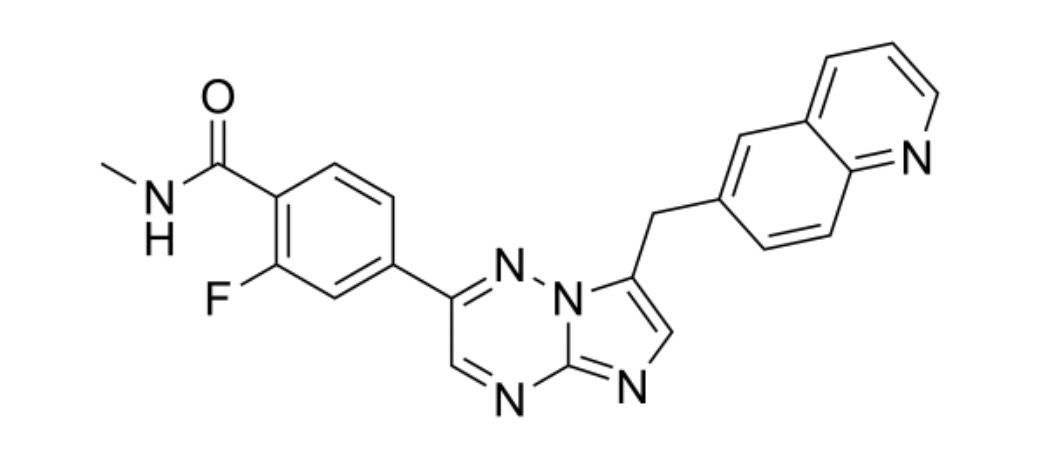
Overview
Capmatinib is an orally administered small-molecule tyrosine kinase inhibitor that selectively targets the mesenchymal-epithelial transition receptor, also known as MET. It is designed to inhibit aberrant MET signaling, including signaling driven by MET exon 14 skipping mutations, which lead to sustained receptor activation and tumor growth in a subset of non-small cell lung cancers. By blocking MET-dependent pathways, capmatinib reduces tumor cell proliferation, survival, and metastatic potential in genetically defined cancers. The drug is taken as an oral tablet and represents a precision oncology therapy that requires molecular confirmation of MET exon 14 skipping prior to treatment. Its clinical importance lies in providing a targeted treatment option for patients with advanced disease who are unlikely to benefit from non-specific systemic therapies.
Background and Date of Approval
Capmatinib was developed as a selective MET inhibitor to address oncogenic MET alterations in lung cancer. The United States Food and Drug Administration granted accelerated approval in 2020 for adult patients with metastatic non-small cell lung cancer whose tumors harbor MET exon 14 skipping mutations. This approval was based on tumor response rates and durability of response observed in pivotal clinical trials. In 2022, full regulatory approval was granted following confirmation of clinical benefit. Regulatory authorities in Europe and other regions have evaluated capmatinib for similar indications based on the same clinical evidence.
Uses
Capmatinib is indicated for the treatment of adult patients with metastatic non-small cell lung cancer whose tumors have a MET exon 14 skipping mutation, as identified by an approved molecular diagnostic test. It may be used in both treatment-naïve patients and those who have received prior systemic therapy. Use is limited to patients with this specific genetic alteration and is typically incorporated into personalized oncology treatment plans.
Administration
Capmatinib is administered orally, usually at a dose of 400 mg taken twice daily, with or without food. Tablets should be swallowed whole and taken consistently at the same times each day. Dose reductions or temporary interruptions may be required in response to adverse reactions such as hepatic toxicity or pulmonary symptoms. Treatment is continued until disease progression or unacceptable toxicity occurs.
Side Effects
Common side effects of capmatinib include peripheral edema, nausea, vomiting, fatigue, decreased appetite, musculoskeletal pain, cough, and shortness of breath. These reactions vary in severity and may be managed with supportive care, dose adjustment, or temporary treatment interruption under medical supervision.
Warnings
Serious adverse events associated with capmatinib include interstitial lung disease or pneumonitis, liver enzyme elevations, photosensitivity reactions, hypersensitivity reactions, and embryo-fetal toxicity. Patients should be monitored closely for new or worsening respiratory symptoms and significant laboratory abnormalities. Treatment should be interrupted or discontinued if severe toxicity occurs.
Precautions
Baseline evaluation before initiating capmatinib should include liver function testing and assessment of pulmonary status. Liver function tests should be monitored regularly during treatment. Concomitant use of strong CYP3A inducers or inhibitors may alter capmatinib exposure and should be avoided or managed carefully. Patients should be advised to limit sun exposure and use protective measures due to photosensitivity risk. Effective contraception is required during treatment.
Expert Tips
Confirm MET exon 14 skipping mutation status using validated diagnostic testing before prescribing capmatinib. Educate patients on the importance of adherence to twice-daily dosing and regular follow-up appointments. Counsel patients about potential side effects, particularly edema and photosensitivity, and provide guidance on symptom management. Adjust dosing promptly in response to adverse events to maintain safety while optimizing treatment benefit.