
Midostaurin
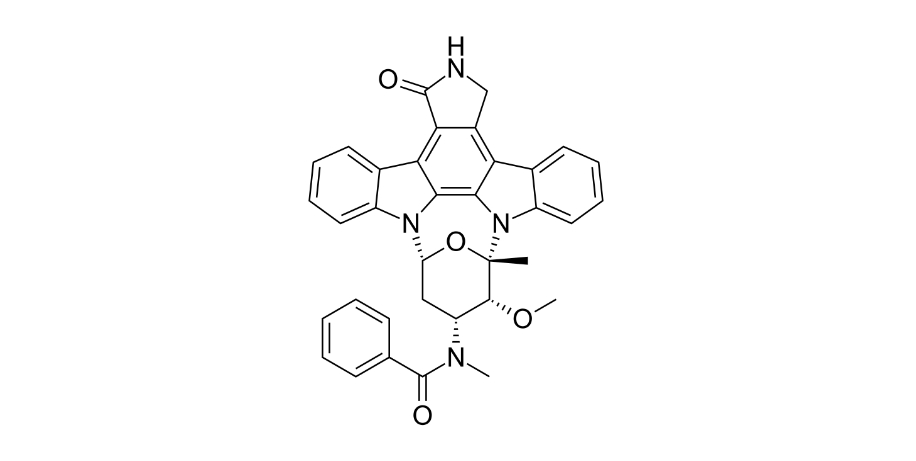
Overview
Midostaurin is an oral small molecule multikinase inhibitor that targets several receptor tyrosine kinases involved in cell proliferation and survival, including the fms‑like tyrosine kinase 3 (FLT3) and KIT kinases. The inhibitory action on mutant FLT3 receptors in leukemic cells contributes to antineoplastic effects in acute myeloid leukemia (AML), while inhibition of mutated KIT receptors is relevant in advanced systemic mastocytosis. As a kinase inhibitor, midostaurin disrupts aberrant cellular signalling pathways that drive malignant growth, leading to reduced tumour cell proliferation and induction of apoptosis in susceptible cells. This targeted therapy has an established role in combination with chemotherapy for adults with newly diagnosed FLT3 mutation‑positive AML and as monotherapy for adults with aggressive systemic mastocytosis and related mast cell disorders. Midostaurin’s mechanism and oral administration make it a key option in tailored treatment strategies for these serious hematologic malignancies.
Background and Date of Approval
Midostaurin was approved by the United States Food and Drug Administration on April 28, 2017, for the treatment of adult patients with newly diagnosed acute myeloid leukemia that is FLT3 mutation‑positive in combination with standard cytarabine and daunorubicin induction and cytarabine consolidation chemotherapy, followed by midostaurin maintenance. On the same date, the FDA also approved midostaurin for the treatment of adult patients with aggressive systemic mastocytosis, systemic mastocytosis with associated hematological neoplasm, or mast cell leukemia. Following FDA approval, the Central Drugs Standard Control Organization (CDSCO) in India granted approval for midostaurin capsules on November 9, 2017, for similar indications. In the European Union, midostaurin was granted marketing authorisation on September 18, 2017, under the name Rydapt for the treatment of adult patients with FLT3 mutation‑positive AML and advanced systemic mastocytosis, reflecting regulatory decisions based on efficacy and safety data from phase III and supportive studies.
Uses
Midostaurin is indicated in adults for the treatment of newly diagnosed acute myeloid leukemia that is FLT3 mutation‑positive, in combination with standard induction and consolidation chemotherapy followed by single‑agent midostaurin maintenance therapy in patients who achieve complete response. It is also indicated as monotherapy for the treatment of adult patients with aggressive systemic mastocytosis, systemic mastocytosis with associated hematological neoplasm, or mast cell leukemia. Use in AML is not recommended as single‑agent induction therapy without concomitant chemotherapy.
Administration
Midostaurin is administered orally, typically as capsules taken with food. For FLT3 mutation‑positive acute myeloid leukemia, the recommended dose in adults is 50 milligrams twice daily on specific days of each chemotherapy cycle, followed by continuous dosing during maintenance therapy for up to 12 cycles or until disease progression or unacceptable toxicity. In adults with advanced systemic mastocytosis and related mast cell disorders, the recommended dose is 100 milligrams twice daily with food, continued as long as clinical benefit is observed and tolerability permits. Dose adjustments and interruptions may be necessary based on individual patient tolerance and adverse effects, with clinicians monitoring for hematologic and non‑hematologic toxicities.
Side Effects
Commonly observed side effects with midostaurin therapy include nausea, vomiting, diarrhoea, headache, musculoskeletal pain, oedema, fatigue, upper respiratory tract infections, febrile neutropenia, mucositis, epistaxis, and gastrointestinal disturbances. Frequency and intensity of these effects vary among individuals, and many are manageable with supportive care, dose modification, or symptomatic treatment under close clinical supervision.
Warnings
Serious adverse events associated with midostaurin include prolonged cytopenias such as neutropenia and thrombocytopenia, which may increase the risk of infection or bleeding and require careful monitoring. Cardiovascular effects including arrhythmias and QT interval prolongation may occur and necessitate ECG monitoring in susceptible patients. Severe hypersensitivity reactions and interstitial lung disease or pneumonitis have been reported and warrant immediate evaluation if symptoms arise. Due to potential embryo‑fetal toxicity, midostaurin should not be used during pregnancy and effective contraception is advised during treatment and for a defined period after the last dose.
Precautions
Baseline and periodic assessments such as complete blood counts, liver and renal function tests, and electrocardiograms are recommended to guide safe therapy. Caution is required in patients with pre‑existing cardiac conditions or those at risk of QT prolongation. Midostaurin is metabolised via hepatic pathways involving CYP enzymes, and concomitant use of strong CYP3A4 inhibitors or inducers may alter its exposure, requiring clinical judgement on dose adjustments. Live vaccines should be avoided during treatment due to potential immunosuppression, and concomitant medications with overlapping toxicities should be reviewed to minimise additive adverse effects.
Expert Tips
Patient selection for midostaurin therapy should focus on adults with confirmed FLT3 mutation‑positive acute myeloid leukemia or advanced systemic mastocytosis with appropriate diagnostic criteria. Baseline evaluation of cardiac rhythm and electrolytes, as well as regular monitoring of blood counts and organ function, is critical to ensure early detection of toxicities. Educate patients about adherence to oral dosing, potential side effects, and the importance of reporting symptoms such as fever, shortness of breath, or unusual bleeding. Pharmacists should review potential drug interactions, counsel on taking midostaurin with food to enhance absorption, and assist in managing supportive care needs throughout the treatment course, coordinating with the oncology care team to optimise outcomes.