
Nivolumab
Overview
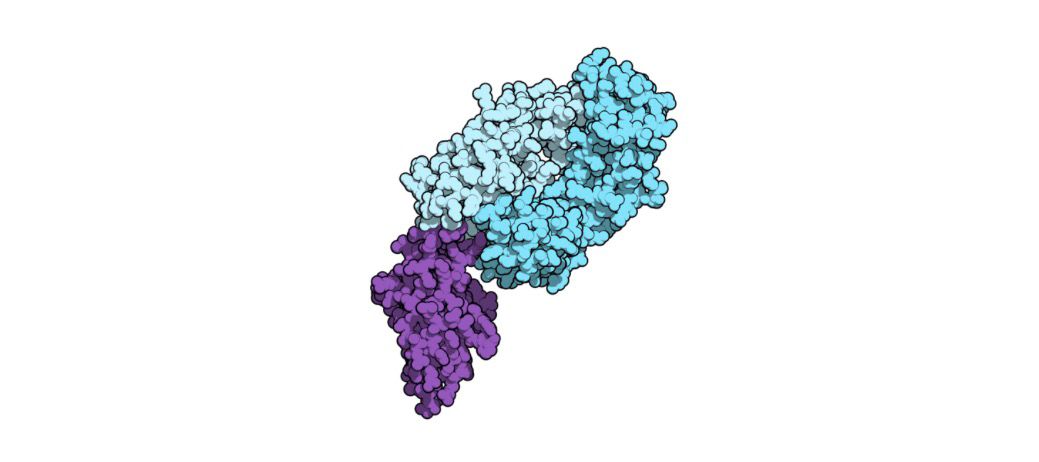
Nivolumab is a human immunoglobulin G4 monoclonal antibody that targets the programmed death-1 (PD-1) receptor on T-lymphocytes, blocking interaction with its ligands PD-L1 and PD-L2 and thereby enhancing anti-tumor immune responses. It belongs to the class of immune checkpoint inhibitors and is administered by intravenous infusion. By inhibiting PD-1 mediated immune suppression, nivolumab releases pathologically suppressed cytotoxic T-cells to recognize and attack tumor cells, leading to tumor growth control and improved survival outcomes in various malignant diseases. Clinically, nivolumab has broad utility across multiple cancer types where pathological expression of PD-L1 or T-cell exhaustion contributes to disease progression. Its mechanism of action is rooted in modulation of immune tolerance and activation, making it a cornerstone of modern immuno-oncology therapies in both monotherapy and combination regimens.
Background and Date of Approval
Nivolumab, marketed under the brand name Opdivo, received its first approval from the United States Food and Drug Administration on December 22, 2014 for the treatment of unresectable or metastatic melanoma. This initial regulatory milestone was followed by multiple additional approvals by the FDA across a range of cancer indications. On May 17, 2016 nivolumab was granted accelerated approval for relapsed or progressive classical Hodgkin lymphoma after prior therapies. On November 23, 2015 nivolumab was approved for advanced renal-cell carcinoma in patients previously treated with antiangiogenic therapy. Subsequent FDA actions expanded indications to include non-small cell lung cancer and other solid tumors, and later to adjuvant treatment of melanoma in 2017 and adjuvant treatment of urothelial carcinoma in 2021. Regulatory approvals have also encompassed combinations with other agents such as ipilimumab and chemotherapy in defined settings. These regulatory milestones reflect the evolving role of nivolumab in oncology and its broad clinical acceptance.
Uses
Nivolumab is indicated for multiple cancer types in adults and, in some cases, pediatric patients depending on local approvals. Key indications include unresectable or metastatic melanoma, relapsed or progressive classical Hodgkin lymphoma following autologous stem cell transplant and brentuximab vedotin, advanced renal cell carcinoma after prior antiangiogenic therapy, metastatic non-small cell lung cancer alone or in combination with ipilimumab and chemotherapy, locally advanced or metastatic urothelial carcinoma following platinum chemotherapy, and adjuvant treatment of completely resected melanoma and urothelial carcinoma at high risk of recurrence. Nivolumab is also used in other solid tumors and metastatic cancers where immune checkpoint inhibition is appropriate. These approvals reflect nivolumab’s immunomodulatory role in reducing disease progression and improving survival where conventional cytotoxic therapies have limitations.
Administration
Nivolumab is administered by intravenous infusion, typically over 30 minutes, with dosing schedules tailored to the specific indication, patient body weight or flat dose, and treatment goals. For many monotherapy indications, a flat dose such as 240 mg every two weeks or 480 mg every four weeks is used until disease progression or unacceptable toxicity. Alternative regimens may apply in combination therapies, for example nivolumab 360 mg every three weeks when used with ipilimumab and chemotherapy for metastatic non-small cell lung cancer. For some indications, weight-based dosing such as 3 mg/kg every two weeks is also an option depending on clinician preference and regulatory guidance. Treatment duration is individualized based on disease response, toxicity, and specialist clinical judgement with ongoing monitoring.
Side Effects
Common side effects observed with nivolumab include fatigue, rash, diarrhea, nausea, pruritus, musculoskeletal pain, headache, and upper respiratory symptoms. These effects are generally mild to moderate and reflect immune system activation and inflammatory responses. Variability in side effect frequency and severity is common among patients treated with nivolumab, and careful clinical monitoring enables timely management.
Warnings
Serious adverse events associated with nivolumab arise primarily from immune-mediated toxicities due to enhanced immune activation. These may include pneumonitis, colitis, hepatitis, endocrinopathies such as thyroid dysfunction, nephritis, severe skin reactions, and other organ-specific inflammatory conditions. Infusion-related reactions and rare but severe autoimmune events have been reported. Nivolumab should be used cautiously in patients with pre-existing autoimmune disorders, and treatment interruption or discontinuation is advised in the event of severe or life-threatening toxicities. Pregnancy-related considerations should be assessed as appropriate by clinicians.
Precautions
Baseline assessments before initiating nivolumab include evaluation of immune status, baseline organ function tests including liver and thyroid function, and a thorough review of concomitant medications. Live vaccines should generally be avoided during treatment due to the potential for enhanced immune responses. Caution is indicated when nivolumab is used with other immunomodulatory agents or checkpoint inhibitors due to additive immune activation risks. Drug interactions are largely related to immune effects, and clinicians should reconcile medications carefully to avoid overlapping toxicities.
Expert Tips
Prescriber and pharmacist considerations for nivolumab therapy include appropriate patient selection based on tumor type, disease stage, PD-1/PD-L1 expression where relevant, and prior treatment history. Baseline testing and periodic monitoring of organ function and immune markers are essential to detect and manage immune-related adverse events. Counseling patients about symptoms of immune activation and when to report them is critical. In combination regimens, coordinating dosing schedules with other agents requires careful planning to balance efficacy and tolerability. Infusion preparation, administration protocols, and supportive care measures should align with institutional guidelines for oncology biologics.